The Fascinating Game of Mahjong: A Journey Through Time
Mahjong is a tile-based game that has captured the interest and imagination of people across the world. Though steeped in tradition and rich in history, Mahjong continues to integrate modern elements, maintaining its relevance today. Originating from China, the game has evolved over centuries, becoming a staple in both casual gaming and competitive play. Its allure is evident in the charm of its intricate tiles and the strategic depth it offers to its players. In this article, we will delve into the captivating world of Mahjong, exploring its origins, gameplay, and current global presence.
The Origins of Mahjong
The origins of Mahjong are somewhat shrouded in mystery, with several accounts and theories attempting to pinpoint its inception. Generally, it is agreed that Mahjong is rooted in ancient Chinese culture, drawing parallels to card games that date back to the Ming Dynasty. By the late 19th century, the game had taken the form we recognize today, solidifying its status as a popular pastime among individuals in all strata of society.
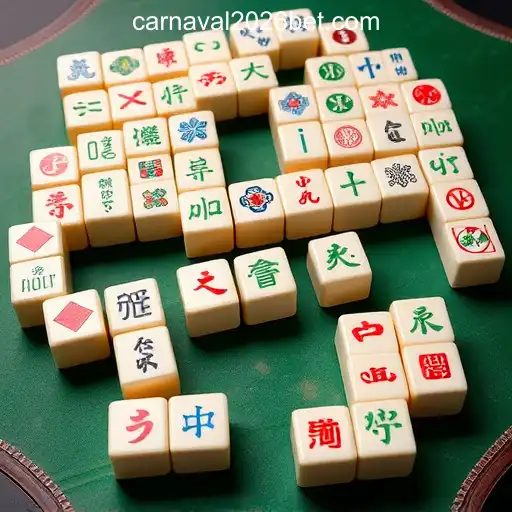
The game is traditionally played with a set of 144 tiles based on Chinese characters and symbols. These tiles are divided into suits and honor tiles, each carrying unique functions and contributing to the strategic complexity of the game. Some variations even incorporate additional flower or season tiles, adding layers of potential strategy.
Understanding the Game Structure
Mahjong can be likened to games such as rummy, where the objective is to form specific sets or sequences of tiles. A typical game consists of four players, with each participant taking turns to draw and discard tiles, striving to achieve a winning hand known as a "Mahjong."
The game unfolds in four rounds, each corresponding to a wind direction: east, south, west, and north. Points are accrued based on the difficulty and rarity of the combinations formed, with certain hands offering considerable bonuses. The player with the highest score after the four rounds is declared the winner.
Variations of Mahjong
Over time, various regional adaptations of Mahjong have emerged, each with its own set of rules and tile designs. The Chinese version remains the traditional reference, but popular variations include the Japanese Riichi, American Mahjong, and European versions. Each variant lends its unique flavor to the classic game, catering to diverse preferences and gaming cultures.
The American version, particularly, introduces elements like jokers and a specific scorecard, which outlines permissible winning hands for a given year. Meanwhile, Japanese Riichi Mahjong emphasizes strategic bluffing with additional rules that increase player interaction and enhance the psychological depth of the game.
Mahjong in Popular Culture
Mahjong's cultural significance extends beyond its leisure aspect. It has made numerous appearances in books, films, and digital platforms, becoming a symbol of Asian culture globally. Mahjong has inspired a multitude of online games, enabling a wider audience to appreciate and engage with this traditional art form.
The advent of online platforms has been instrumental in promoting Mahong; now players can join tables from around the world, interacting and competing in a virtual setting. This development has not only attracted new players but also allowed for a preservation and dissemination of traditional variations.
The Global Impact of Mahjong
Mahjong's reach extends far beyond its Chinese origins, being embraced in homes, clubs, and tournaments worldwide. Regional and international championships highlight the game's competitive aspect, drawing skilled players eager to demonstrate their strategic acumen. These tournaments further boost the game's prestige, ensuring it remains a pivotal part of gaming culture for generations to come.
Organizations and societies devoted to Mahjong facilitate gatherings and events, creating a sense of community among enthusiasts. This cultural exchange enriches the game, fostering an understanding of the diverse ways Mahjong is appreciated and played.
Modern Innovations in Mahjong
In recent years, Mahjong has seen creative adaptations, integrating elements of technology and digital entertainment. Companies are blending traditional gameplay with modern graphics, creating Mahjong games for smartphones and gaming consoles. These innovations breathe new life into the time-honored game, making it accessible to younger generations.
Within this landscape, initiatives like "Carnaval2026-777 Oficial Slots Brasil #1" demonstrate a harmonious blend of classic elements with contemporary thrills. Such projects highlight how Mahjong can transcend its traditional boundaries, becoming intertwined with interactive and immersive experiences that cater to modern tastes.
The Enduring Legacy of Mahjong
Mahjong’s appeal lies in its rich combination of history, culture, and strategy. Its presence in modern culture underscores its adaptability and timeless charm. As players around the world continue to discover and rediscover Mahjong, it stands as a testament to the game’s enduring allure and its capacity to connect diverse cultures through a shared love of strategic play.
In closing, Mahjong remains an integral part of cultural and gaming heritage, proving that traditional games can indeed thrive in a modern, digital world. For those looking to immerse themselves in a game that promises both entertainment and a touch of history, [Mahjong](/) presents itself as an intriguing journey into a world of strategic complexity and cultural richness.